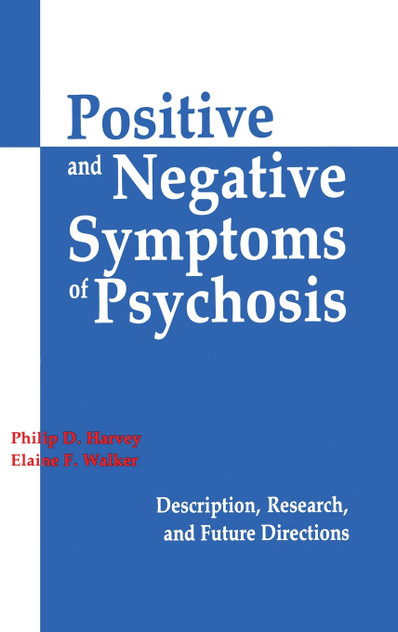
For the first time in a single volume, distinguished experts address the complex issues -- issues rarely confronted in empirical studies of patients with schizophrenia -- and controversial research surrounding the assessment of negative symptoms and cognitive deficits in patients with schizophrenia. Despite recent advances in our understanding of schizophrenia, still notably absent is consensus in assessing negative symptom treatment response. What is the most effective assessment method -- given the varying methodologies and contradictory results to date? What constitutes an adequate response? Which medication -- none is specifically indicated and licensed for negative symptom treatment -- yields the best results? What are the indications for use of this medication? Which instrument best measures negative symptom treatment response (eight rating scales are analyzed here)? Reaching consensus among clinicians and researchers alike is even more difficult because assessment is often thwarted by extrapyramidal side effects of medications, similarities to depressive symptoms, and secondary effects of psychotic experiences. In addition to clarifying these pressing issues, Negative Symptom and Cognitive Deficit Treatment Response in Schizophrenia also discusses The importance of measuring the experience of emotion versus the more traditional objectively measured symptoms in patients with schizophrenia, and how deficits in emotional experience may resist treatment -- even in treatment-responsive patients. The family as an often overlooked source of information about negative symptom improvement or worsening, and the impact of negative symptoms on patients' relatives. How treatment affects social functioning and subjective experience of "quality of life," and the importance of neurocognitive dysfunction in the social deficits of schizophrenia, which often persist despite significant amelioration of other symptoms. Specific guidelines for assessing neurocognitive treatment response. Cognitive enhancement is a major factor in improving the quality of patients' lives. The latest research on the neurobiology of negative symptoms, including the role of various neurotransmitter systems and brain regions in mediating negative symptom pathology. Also discussed is single vs. multiple pathophysiological processes and single treatment modality vs. distinct treatments for different aspects of negative symptoms. How to distinguish "pure" negative symptoms from deficit symptoms (i.e., those that persist for at least 1 year and are not secondary to factors such as depression, medication side effects, anxiety, delusions, and hallucinations), and which treatment is indicated for each. Highlighted by patient vignettes, this in-depth guide will be welcomed by all clinicians who treat patients with schizophrenia and want to know and document whether their interventions ameliorate negative symptoms and cognitive dysfunction, and by all researchers who study schizophrenia, particularly those interested in clinical issues and treatment studies.
Negative Symptom and Cognitive Deficit Treatment Response in Schizophren
RRP:
$213.00
Description
For the first time in a single volume, distinguished experts address the complex issues -- issues rarely confronted in empirical studies of patients with schizophrenia -- and controversial research surrounding the assessment of negative symptoms and cognitive deficits in patients with schizophrenia. Despite recent advances in our understanding of schizophrenia, still notably absent is consensus in assessing negative symptom treatment response. What is the most effective assessment method -- given the varying methodologies and contradictory results to date? What constitutes an adequate response? Which medication -- none is specifically indicated and licensed for negative symptom treatment -- yields the best results? What are the indications for use of this medication? Which instrument best measures negative symptom treatment response (eight rating scales are analyzed here)? Reaching consensus among clinicians and researchers alike is even more difficult because assessment is often thwarted by extrapyramidal side effects of medications, similarities to depressive symptoms, and secondary effects of psychotic experiences. In addition to clarifying these pressing issues, Negative Symptom and Cognitive Deficit Treatment Response in Schizophrenia also discusses The importance of measuring the experience of emotion versus the more traditional objectively measured symptoms in patients with schizophrenia, and how deficits in emotional experience may resist treatment -- even in treatment-responsive patients. The family as an often overlooked source of information about negative symptom improvement or worsening, and the impact of negative symptoms on patients' relatives. How treatment affects social functioning and subjective experience of "quality of life," and the importance of neurocognitive dysfunction in the social deficits of schizophrenia, which often persist despite significant amelioration of other symptoms. Specific guidelines for assessing neurocognitive treatment response. Cognitive enhancement is a major factor in improving the quality of patients' lives. The latest research on the neurobiology of negative symptoms, including the role of various neurotransmitter systems and brain regions in mediating negative symptom pathology. Also discussed is single vs. multiple pathophysiological processes and single treatment modality vs. distinct treatments for different aspects of negative symptoms. How to distinguish "pure" negative symptoms from deficit symptoms (i.e., those that persist for at least 1 year and are not secondary to factors such as depression, medication side effects, anxiety, delusions, and hallucinations), and which treatment is indicated for each. Highlighted by patient vignettes, this in-depth guide will be welcomed by all clinicians who treat patients with schizophrenia and want to know and document whether their interventions ameliorate negative symptoms and cognitive dysfunction, and by all researchers who study schizophrenia, particularly those interested in clinical issues and treatment studies.
This practical guide focuses on the reduced expression and activity often described as constituting negative symptoms of psychosis and schizophrenia. Using engaging activities and case studies to aid...
Schizophrene traces the intersections of migration and mental illness as they unfold in post-Partition diasporic communities. Bhanu Kapil brings forward the question of a healing narrative and...
Discover your next great read at BookLoop, Australiand online bookstore offering a vast selection of titles across various genres and interests. Whether you're curious about what's trending or searching for graphic novels that captivate, thrilling crime and mystery fiction, or exhilarating action and adventure stories, our curated collections have something for every reader. Delve into imaginative fantasy worlds or explore the realms of science fiction that challenge the boundaries of reality. Fans of contemporary narratives will find compelling stories in our contemporary fiction section. Embark on epic journeys with our fantasy and science fiction titles,
Shop Trending Books and New Releases
Explore our new releases for the most recent additions in romance books, fantasy books, graphic novels, crime and mystery books, science fiction books as well as biographies, cookbooks, self help books, tarot cards, fortunetelling and much more. With titles covering current trends, booktok and bookstagram recommendations, and emerging authors, BookLoop remains your go-to local australian bookstore for buying books online across all book genres.
Shop Best Books By Collection
Stay updated with the literary world by browsing our trending books, featuring the latest bestsellers and critically acclaimed works. Explore titles from popular brands like Minecraft, Pokemon, Star Wars, Bluey, Lonely Planet, ABIA award winners, Peppa Pig, and our specialised collection of ADHD books. At BookLoop, we are committed to providing a diverse and enriching reading experience for all.
Sign In
your cart
Your cart is empty
Menu
Search
PRE-SALES
If you have any questions before making a purchase chat with our online operators to get more information.